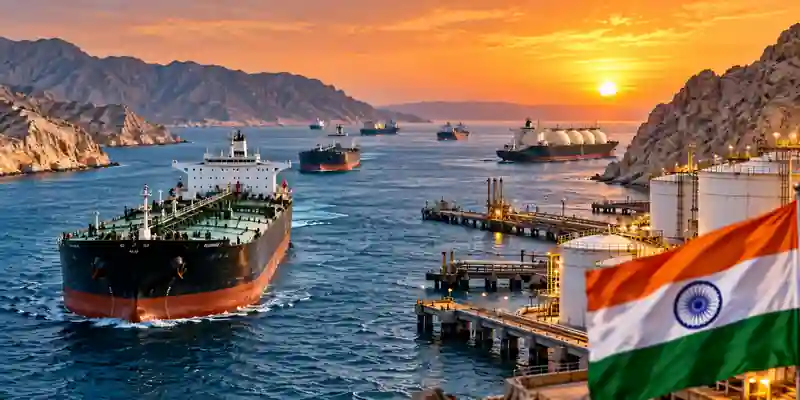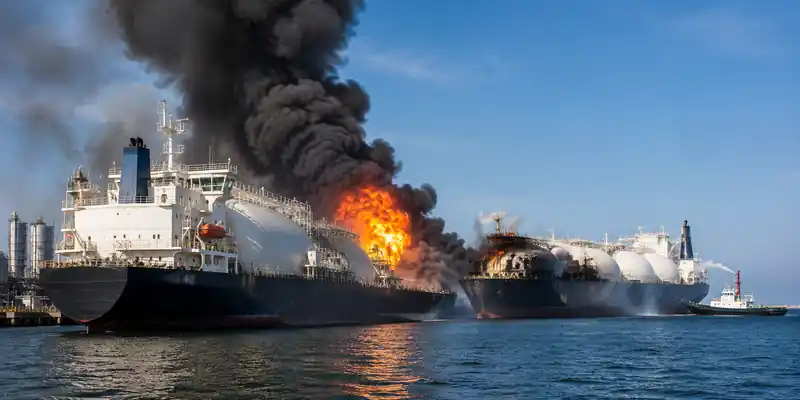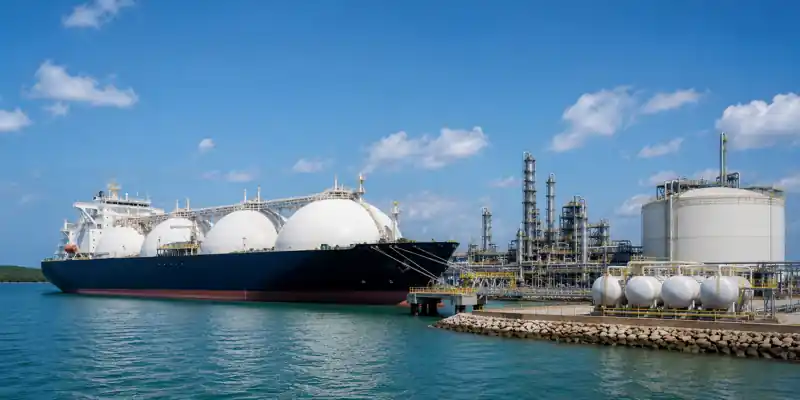
India’s ongoing gas crisis is now driving a major India energy shift, as disruptions in the Middle East expose the risks of relying heavily on a single region for fuel supplies.
What began as a supply shock has quickly turned into a strategic reset. With tensions rising around the Strait of Hormuz and production disruptions in Qatar, India is now moving faster to secure alternative energy sources.
For years, the Gulf region has been central to India’s LNG imports. Qatar alone has supplied nearly 40–47% of the country’s annual LNG demand. However, recent events have revealed how fragile this dependence can be.
Production halts at Qatar’s Ras Laffan industrial hub, combined with growing instability in key shipping routes, have forced policymakers to rethink long-standing energy strategies.
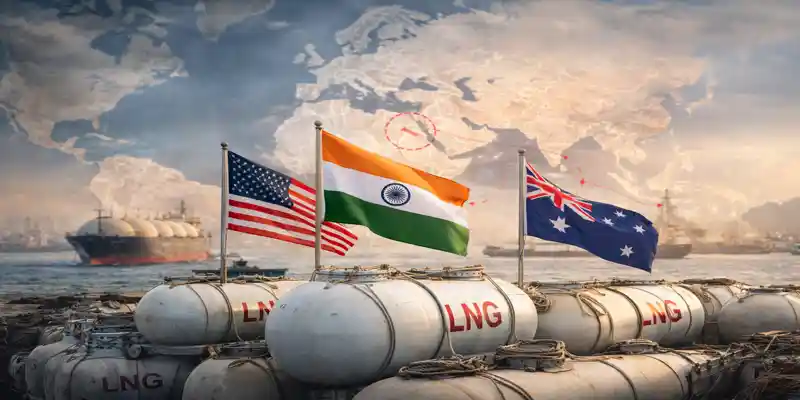
Government sources say this moment has accelerated the India energy shift toward a more diversified LNG portfolio, reducing dependence on West Asia.
Diversification Becomes the Core Strategy
India is now actively expanding its LNG sourcing network.
New focus regions include:
-
United States
-
Australia
-
Russia
-
Norway
-
Canada
-
Peru
-
West African nations such as Angola and Nigeria
Among these, the United States is being considered for supply routes via the Panama Canal, helping bypass the Strait of Hormuz. Australia, on the other hand, offers a more stable and shorter route.
This diversification is a key pillar of the evolving India energy shift strategy.
Higher Costs, But Supply Security First
The transition is not without challenges.
Major importers like:
-
GAIL
-
Petronet LNG
-
Indian Oil Corporation
have been forced to rely on the spot market.
LNG prices have surged to around $24–25 per MMBtu, significantly increasing procurement costs.
Despite this, the government is prioritising supply security over cost in the short term, ensuring that essential sectors continue to function without disruption.
Focus on Critical Sectors
To manage the situation, gas allocation is being carefully controlled.
Priority sectors include:
-
Household PNG supply
-
CNG transport
-
Fertiliser production
This ensures that cooking gas, mobility, and food production remain stable even during supply shocks.
Global Partnerships Strengthened
As part of this transition, India is deepening engagement with global energy players.
Talks are ongoing with major trading firms such as:
-
TotalEnergies
-
Vitol
-
Trafigura
Additionally, partnerships with state-backed suppliers like:
-
Sonatrach
-
Abu Dhabi National Oil Company
are being strengthened.
Officials are also exploring safer shipping routes and even naval protection for LNG cargoes in sensitive regions.
Conclusion
The current crisis has made one thing clear—India’s energy security cannot rely on a single region.
The India energy shift is now underway, with diversification, resilience, and strategic partnerships at its core.
While costs may rise in the short term, the long-term goal is to build a more secure and flexible energy system that can withstand global disruptions.