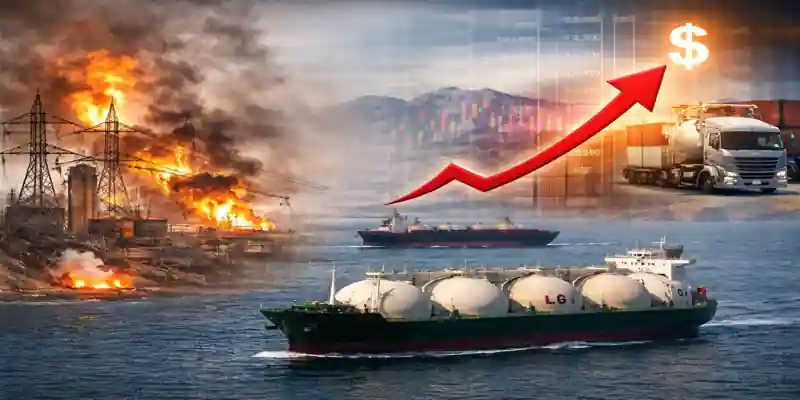
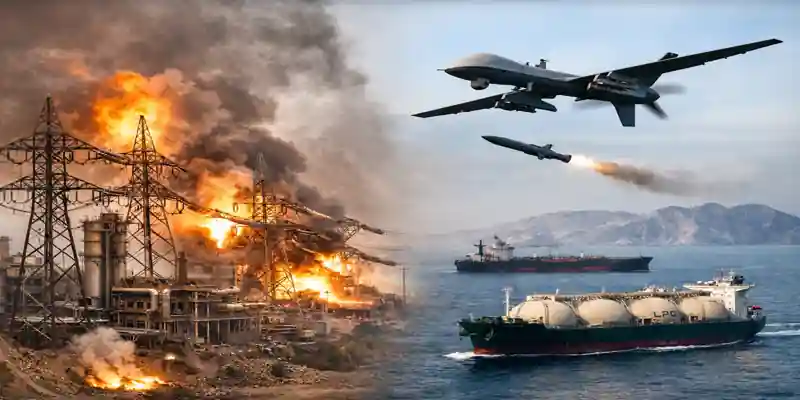
The Hormuz conflict fertilizer impact is becoming more visible as Kuwait confirmed that its air defence systems are actively intercepting missile and drone attacks. The country’s Ministry of Electricity, Water and Renewable Energy reported that at least seven overhead power lines have been taken out of service after debris from intercepted projectiles caused damage.
This development highlights that the Hormuz conflict fertilizer impact is no longer limited to frontline regions. Instead, it is now affecting critical infrastructure in key energy-exporting nations.
Kuwait Power Disruptions Raise Supply Chain Concerns
The damage to Kuwait’s power infrastructure could disrupt industrial operations, including energy-intensive sectors such as fertilizers and petrochemicals. Kuwait plays a vital role in supplying feedstock like natural gas and refined products, which are essential for fertilizer production.
As a result, the Hormuz conflict fertilizer impact may lead to supply constraints and price volatility in global fertilizer markets, especially for ammonia and urea production.
Middle East Escalation Intensifies Regional Instability
Meanwhile, the conflict continues to escalate in Lebanon. According to the Lebanese Health Ministry, the death toll from Israeli strikes has reached 1,039 since March 2, with 2,876 people injured.
Israel has expanded its military operations to Beirut, Nabatieh, and Tyre. In a significant political statement, Israeli Finance Minister Bezalel Smotrich said that “the new Israeli border must be the Litani River,” indicating broader territorial ambitions.
These developments further amplify the Hormuz conflict fertilizer impact, as prolonged instability threatens trade routes and energy infrastructure across the region.
Indian LPG Shipments Continue via Strait of Hormuz
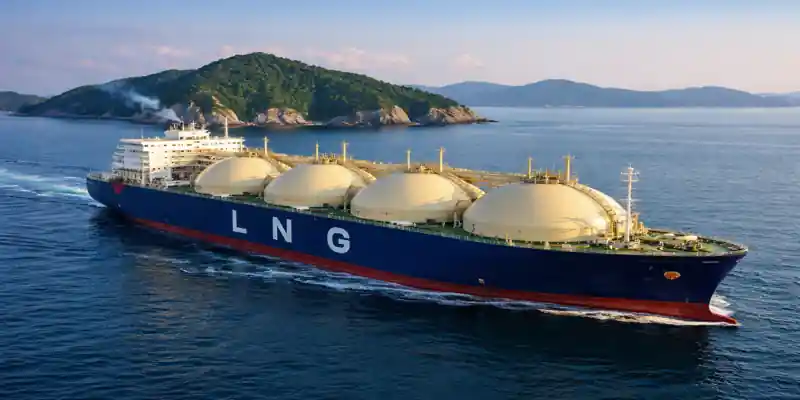
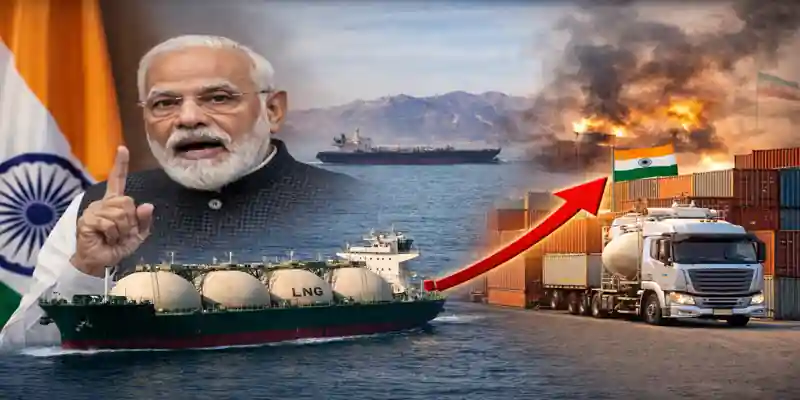
Despite rising tensions, two Indian-flagged vessels — Pine Gas and Jag Vasant — have successfully transited the Strait of Hormuz. The ships are carrying around 92,000 tonnes of liquefied petroleum gas (LPG) from the UAE and Kuwait.
Both vessels are expected to reach Indian ports between March 26 and 28. This movement provides temporary relief, but the Hormuz conflict fertilizer impact continues to pose risks to future shipments.
Wider Conflict Signals Emerging Global Risk
The situation is expanding beyond traditional conflict zones. At least seven rockets were recently fired from Iraq towards a US military base in northeastern Syria. This marks a new phase in the conflict, indicating the involvement of additional actors.
At the same time, diplomatic signals remain mixed. US President Donald Trump claimed that Iran is open to negotiations and that “major points of agreement” have been reached. He also ordered a temporary suspension of US strikes on Iranian power plants.
However, Iran has denied any talks, stating that such claims are intended to influence falling oil markets. The Iranian Revolutionary Guard Corps (IRGC) has confirmed that its missile units remain on high alert.
Europe Feels Economic Shock from Conflict
The economic impact of the crisis is already spreading to Europe. Slovenia has become the first EU country to introduce temporary fuel rationing due to disruptions linked to the conflict.
This move underscores how the Hormuz conflict fertilizer impact is evolving into a global supply and energy crisis. Fertilizer markets, which depend heavily on stable energy supplies, may face increased uncertainty in the coming weeks.