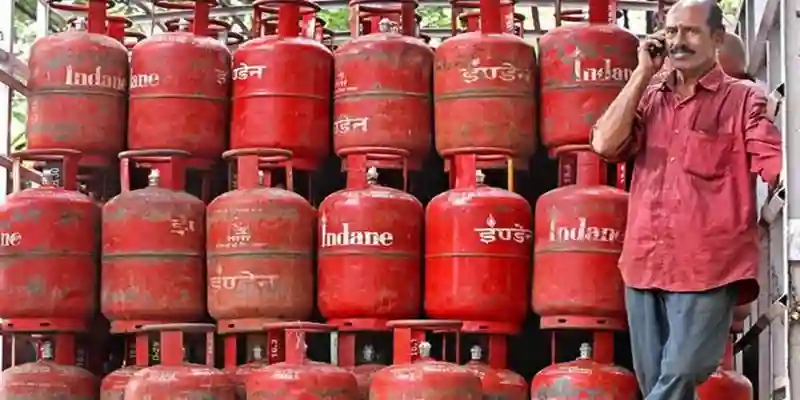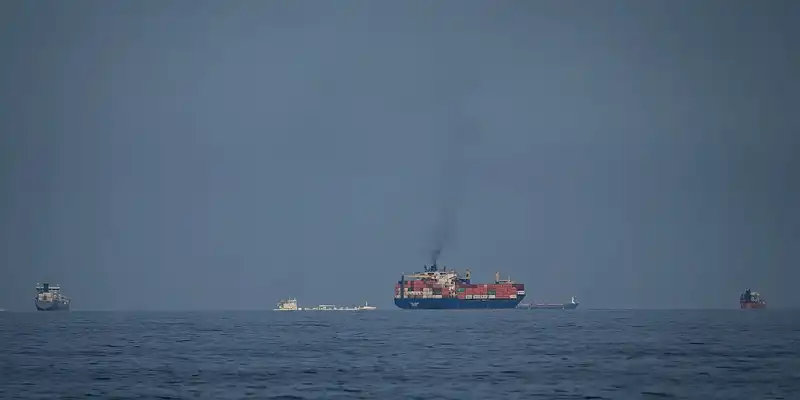
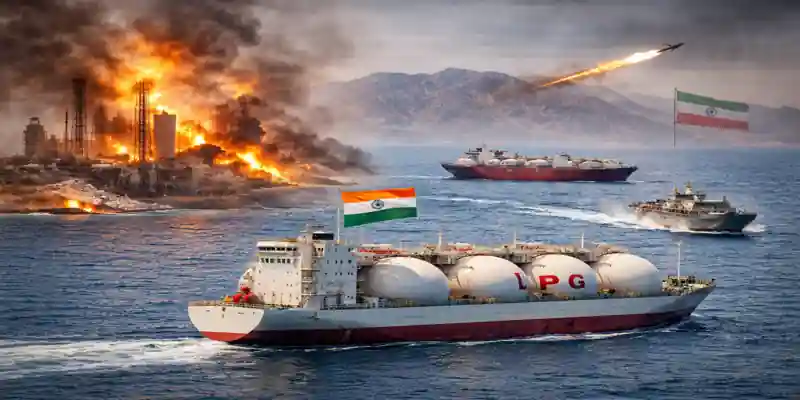
Hormuz LPG transit amid US–Iran conflict, India has successfully transported around 92,600 tonnes of liquefied petroleum gas (LPG) through the Strait of Hormuz using two Indian-flagged vessels. This development comes amid rising geopolitical tensions in West Asia, which have raised concerns over energy supply disruptions.
The Hormuz LPG transit highlights India’s ability to maintain critical energy flows even during uncertain conditions. The safe movement of these vessels provides reassurance to both policymakers and energy markets.
Supply Chain Stability Remains a Priority
India depends heavily on imports for LPG and other fuels. Any disruption in key routes like the Strait of Hormuz can impact domestic availability and pricing.
However, the successful Hormuz LPG transit demonstrates that supply chains remain functional. Authorities and shipping operators are working closely to ensure smooth operations despite heightened risks in the region.
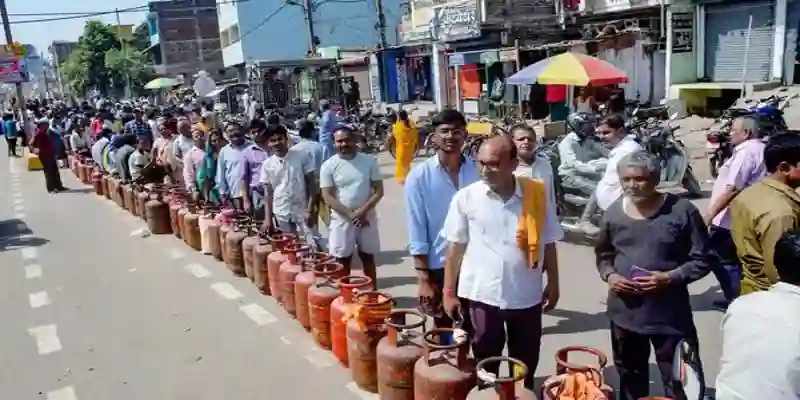
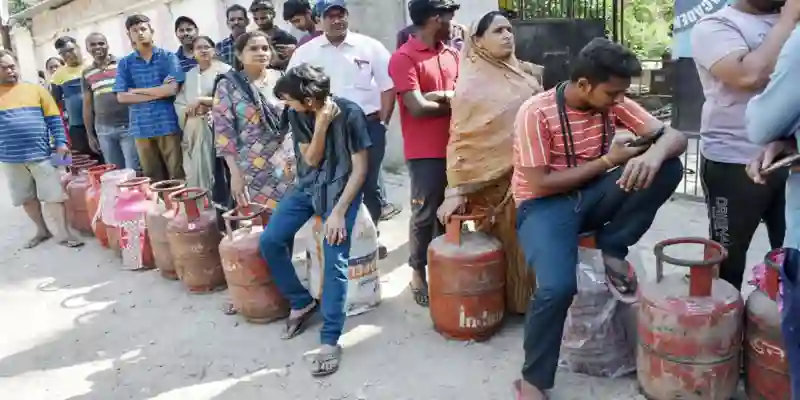
This shipment is particularly important as LPG demand continues to grow across households and industries in India.
Strategic Importance of the Strait of Hormuz
The Strait of Hormuz is one of the most important global energy corridors. A large share of oil and gas shipments, including LPG, passes through this narrow route.
Because of this, the Hormuz LPG transit is closely watched by global markets. Even minor disruptions can trigger price volatility and impact multiple sectors, including fertilizers, transportation, and manufacturing.
India’s continued access to this route is crucial for maintaining economic stability.
Rising Risks but Continued Operations
Tensions in West Asia have increased significantly in recent weeks. Security concerns around shipping routes have also intensified.
Despite this, the Hormuz LPG transit shows that maritime operations are continuing with caution and coordination. Industry experts believe that while risks remain, supply routes are still operational for now.
Going forward, India is expected to further diversify its energy sourcing and strengthen logistics to reduce dependency on high-risk routes.