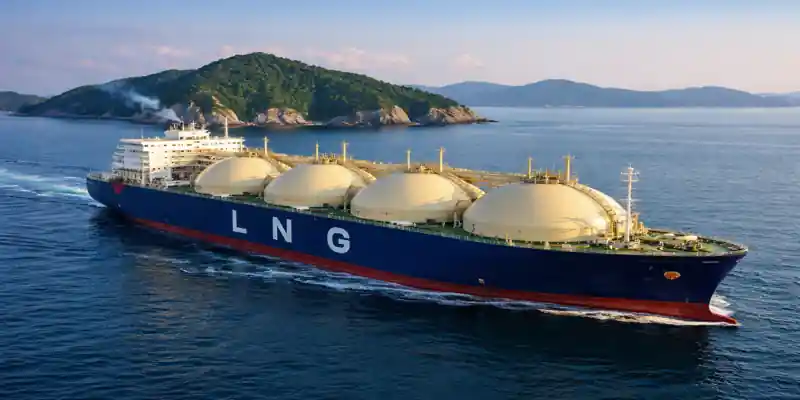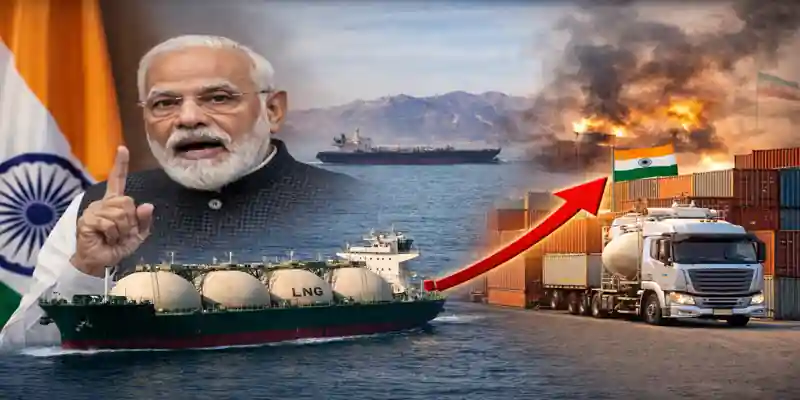
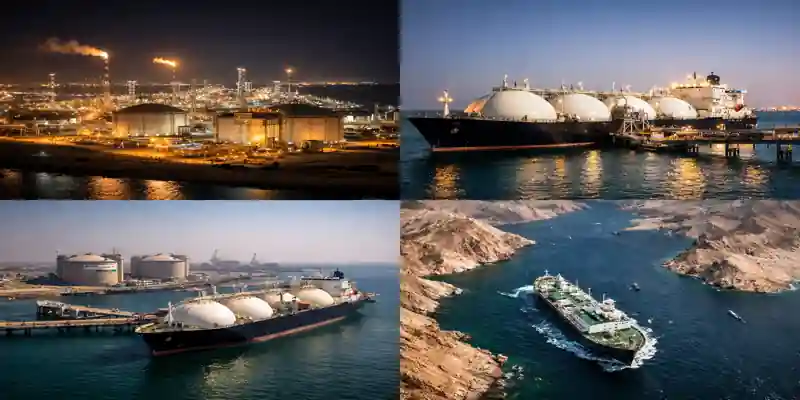
Indian LNG supply remains largely stable despite the recent missile attack on QatarEnergy’s Ras Laffan LNG complex. However, short-term disruptions are tightening availability and pushing LNG prices higher in the Indian market.
Indian LNG Supply Unaffected Despite Ras Laffan Capacity Loss
The missile attack damaged export capacity equivalent to 12.8 million tonnes per year (mn t/yr) at the Ras Laffan LNG Complex. As a result, total export capacity has reduced from 77 mn t/yr to 64.2 mn t/yr.
Despite the disruption, traders indicated that India’s LNG supplies largely originate from trains 2 and 3, which remain unaffected. This ensures that long-term LNG contracts with India remain secure, even as spot supply tightens.
India’s Heavy Dependence on Qatar LNG
India remains significantly dependent on Ras Laffan for LNG imports. In 2025:
- India imported 11.37 mn tonnes of LNG from Ras Laffan
- Total LNG imports stood at 24.91 mn tonnes
- Dependency on Ras Laffan reached 45%
Petronet LNG Limited is the largest buyer, accounting for around 60% of India’s LNG imports from the facility.
Key Long-Term LNG Contracts
- Petronet LNG: 8.5 mn t/yr till 2028 (legacy RasGas deal)
- QatarEnergy–Petronet: 7.5 mn t/yr (2028–2048)
- GAIL India Limited: 0.7 mn t/yr (2025–2030)
- Gujarat State Petroleum Corporation: 1 mn t/yr (2026–2043)
Indian LNG Supply Tightens in Short Term as Prices Surge
While long-term contracts remain stable, short-term LNG availability is tightening sharply. Market participants expect disruptions to last at least three months, with deliveries potentially affected through June.
LNG prices have surged significantly:
- West India LNG price (second half April): $25.10/mn Btu (19 March)
- Increase: +$6.03–6.08/mn Btu (~34% jump)
Indian importers such as Indian Oil Corporation, GAIL, and GSPC had already secured March cargoes in the $18–21.5/mn Btu range, but replacement cargoes remain limited.
Indian LNG Supply Impact on Fertilizer and City Gas Sector
The supply disruption is expected to ripple across multiple sectors:
- Fertilizer plants may face gas shortages or higher input costs
- City gas distributors could see reduced allocation
- Industrial consumers may cut consumption due to high prices
Importers like Petronet and GAIL are likely to extend force majeure to downstream customers, further tightening supply.
An LNG trader noted that “demand destruction is the only option” as buyers either reduce consumption or purchase LNG at elevated prices.
PNG Push Amid LPG Shortage
The LNG crunch has coincided with an LPG shortage, prompting policy and market responses:
- Indraprastha Gas Limited (IGL): ₹500 free gas offer for new PNG users
- Mahanagar Gas Limited (MGL): Fee waivers for domestic and commercial users
- Bharat Petroleum Corporation Limited (BPCL): Security deposit waivers
The government reported 125,000 new PNG connections in just two weeks, reflecting strong demand shift.
At the same time, LPG supply constraints have led to:
- Waiting period increased to 25 days (urban)
- 45 days (rural areas)
Shipping Disruptions Add to Concerns
Logistics challenges are compounding the supply issue. The LNG vessel Disha, carrying 60,000 tonnes of LNG, has been unable to transit the Strait of Hormuz and has been waiting near Ras Laffan since 28 February, according to satellite data.
Outlook for India LNG Market
India’s LNG market is entering a phase of short-term volatility but long-term stability:
- Long-term contracts ensure supply security
- Short-term disruptions will keep prices elevated
- Fertilizer and gas-based sectors may face cost pressure
- Demand-side adjustments are likely in the coming months
The situation will depend on the timeline of repairs at Ras Laffan and the availability of alternative LNG cargoes in the global market.