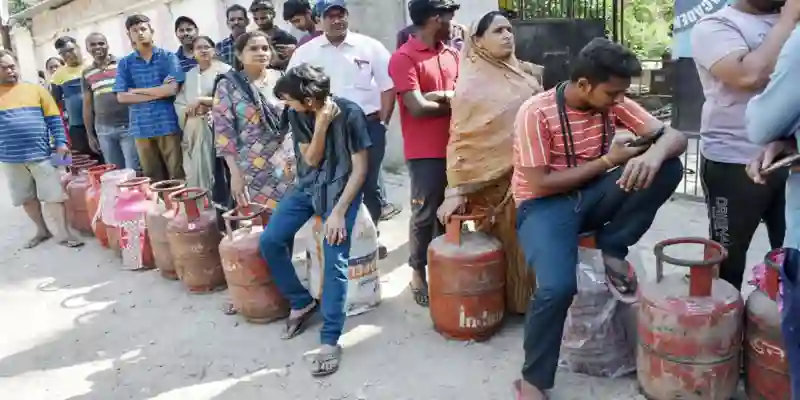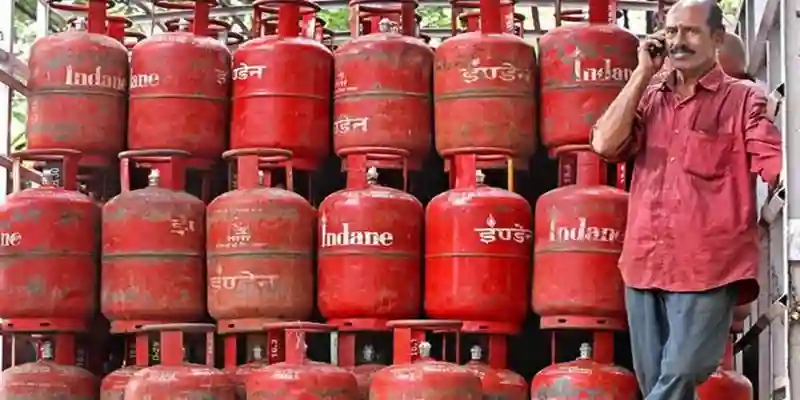
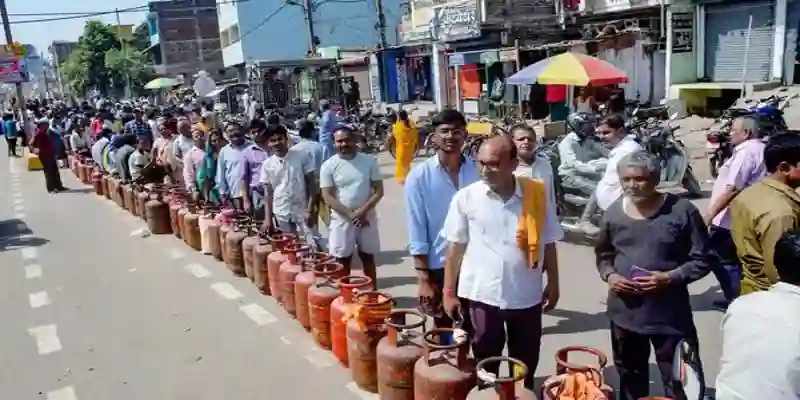
The LPG supply crisis India has pushed the government to increase commercial LPG allocation to 50% in order to stabilize supply and support key sectors.
The latest decision includes an additional 20% allocation, along with an earlier 10% allocation linked to PNG expansion under ease of doing business reforms.
LPG Supply Crisis: Priority for Restaurants and Key Sectors
To manage the LPG supply crisis, the government has prioritized supply to essential commercial users.
These include:
- Restaurants and dhabas
- Hotels and industrial canteens
- Dairy units
- Subsidised canteens run by state and local bodies
This move aims to ensure continuity in critical services.
LPG Supply Crisis India: Registration Mandatory for Commercial Users
Neeraj Mittal, Secretary of the Ministry of Petroleum and Natural Gas, has informed states and UTs that the revised allocation will be effective from Monday.
Under the new system, commercial and industrial consumers must register with Oil Marketing Companies (OMCs) to receive LPG under the 50% allocation.
This step is intended to streamline distribution during the LPG supply crisis.
LPG Supply Crisis India: Govt Assures No Overall Shortage
Despite the ongoing LPG supply crisis , the government has assured citizens that there is no shortage of petrol, diesel, or LPG at the national level.
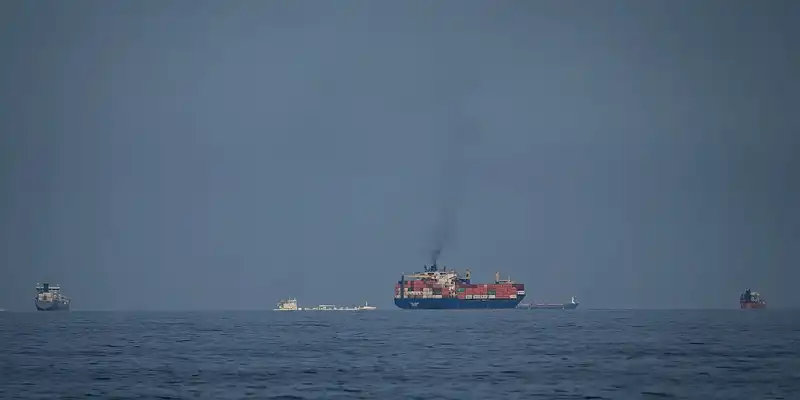
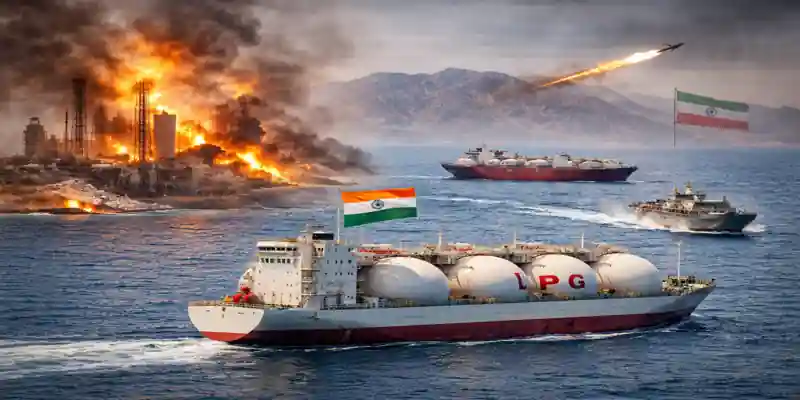
Authorities have urged people not to panic, stating that supply management measures are being strengthened amid the West Asia conflict.
LPG Supply Crisis India: Domestic Output Boost and PNG Shift
To ease the Liquid Petrolium Gas supply crisis , domestic LPG production from refineries has been increased.
City Gas Distribution companies have been advised to prioritize PNG connections for commercial establishments.
Commercial users in urban areas are also encouraged to shift to PNG for a more stable supply.
LPG Supply Crisis India: Crackdown on Hoarding and Black Marketing
The government has directed states to take strict action against LPG hoarding and black marketing.
Raids are being conducted across states and Union Territories to ensure fair distribution during the LPG supply crisis .
Conclusion
The LPG supply crisis continues to challenge supply chains, but the government’s proactive measures aim to maintain stability.
Higher allocation, increased domestic production, and a shift toward PNG are key strategies to manage the situation effectively.