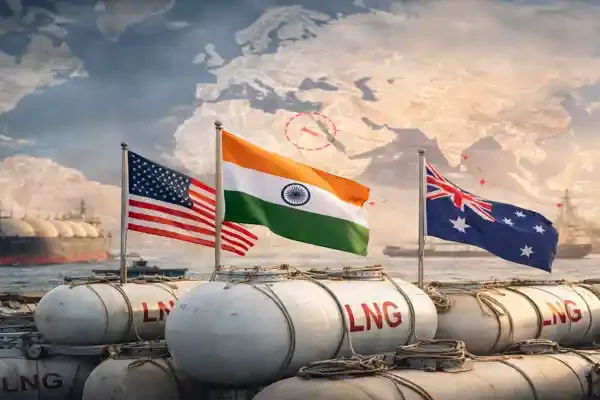
India energy import bill

India Energy Import Bill Surges 82% in May

The India energy import bill surged in May 2026 as higher global oil and gas prices pushed up the cost of crude oil and LNG purchases. Rising imports and supply disruptions in the Middle East also added pressure on the country’s trade balance. Crude and LNG Imports Increase India’s crude oil imports rose by 7.5%…

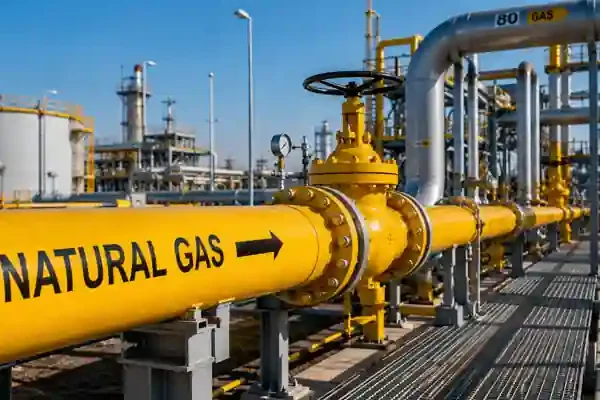
Natural gas pipeline network supporting India's gas market reforms.

India Natural Gas Pipeline Access Code 2025 to Boost Competition and Grid Efficiency

India is taking a significant step toward building a competitive and efficient natural gas market with the proposed India Natural Gas Pipeline Access Code 2025. The new regulatory framework aims to improve transparency, strengthen pipeline operations, and support the country’s growing national gas grid. The updated code replaces the 2008 pipeline access regulations and aligns…

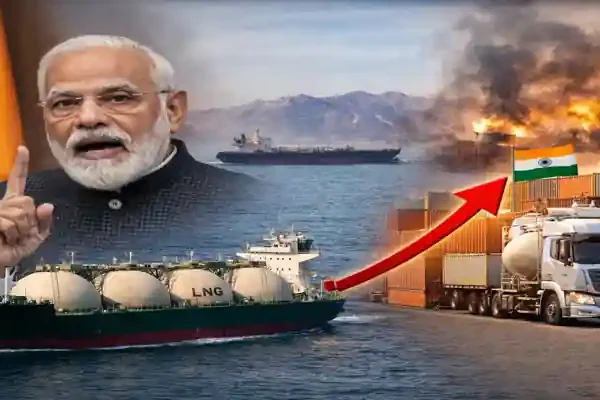
India energy security Hormuz crisis showing LNG supply and oil import strategy amid West Asia tensions

India Energy Security Hormuz Crisis Response by PM Narendra Modi

The India energy security Hormuz crisis response has intensified as Narendra Modi confirmed that India is in constant touch with global energy suppliers. The government is working to secure oil, gas, and LNG supplies amid disruptions in the Strait of Hormuz. Speaking in the Lok Sabha, Modi said efforts are ongoing to ensure uninterrupted availability…

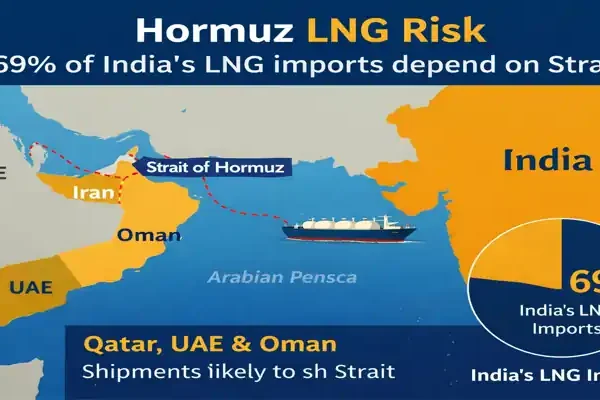
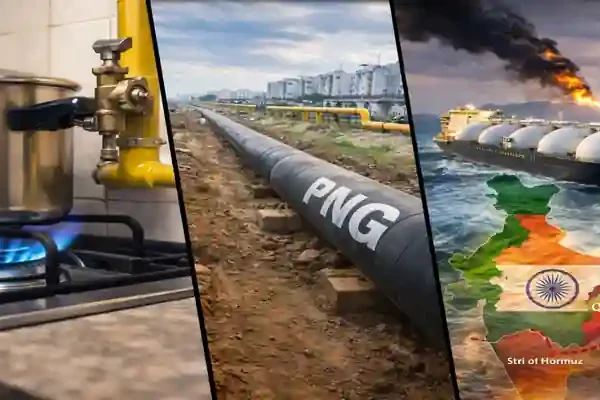
Hormuz LNG Risk map showing India LNG imports through Strait of Hormuz

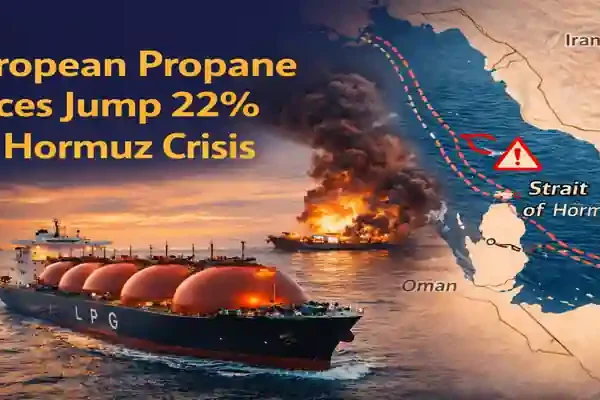
Strait of Hormuz Crisis Threatens 69% of India LNG Imports

The Strait of Hormuz LNG supply risk is emerging as a major concern for India’s energy security. A new report by Elara Securities warns that nearly 69% of India’s liquefied natural gas (LNG) imports depend on shipments passing through the Strait of Hormuz. This narrow shipping corridor connects the Persian Gulf with global energy markets….

Hydrogen vs LNG

Hydrogen vs LNG Trains in India: How Indian Railways Is Moving Beyond Diesel

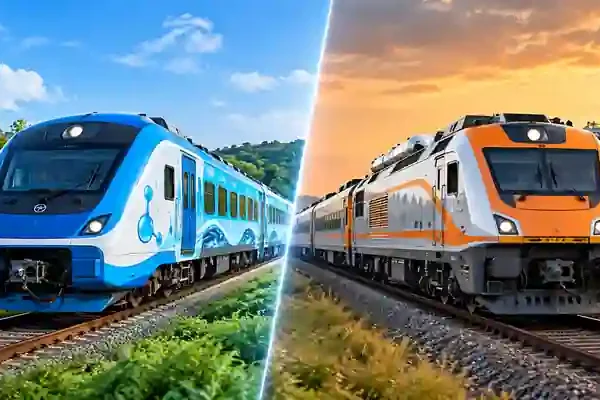
Hydrogen vs LNG trains in India represents two very different approaches to reducing the railway sector’s dependence on conventional diesel. While hydrogen uses fuel-cell technology to generate electricity onboard, LNG allows a modified diesel engine to operate using both LNG and diesel. India’s first hydrogen fuel-cell train began operations on the Jind-Sonipat section in Haryana…