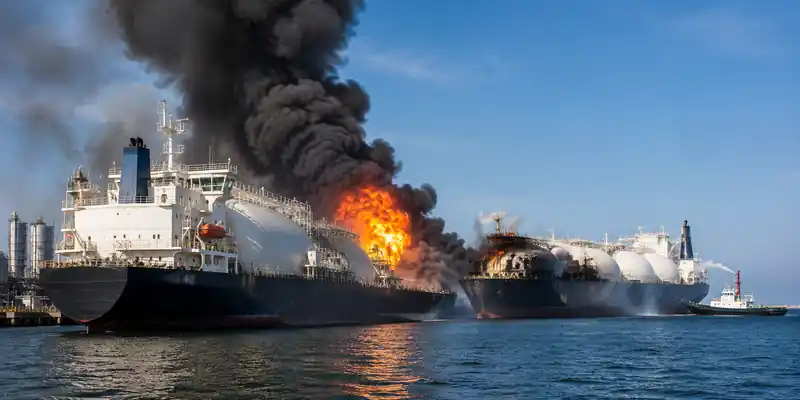
The Strait of Hormuz disruption has triggered one of the biggest shocks to global energy supplies since World War II, with major consequences for India and other Asian economies.
According to a latest S&P Global report, the effective closure of the strategic waterway has disrupted around 20% of global crude oil and refined product supplies and 16% of LNG shipments.
Asian economies have been particularly affected. Emerging and developing countries with limited oil, gas and refined-fuel reserves face greater pressure because they have less financial capacity to absorb rapidly rising energy prices.
Strait of Hormuz Disruption Puts India Under Pressure
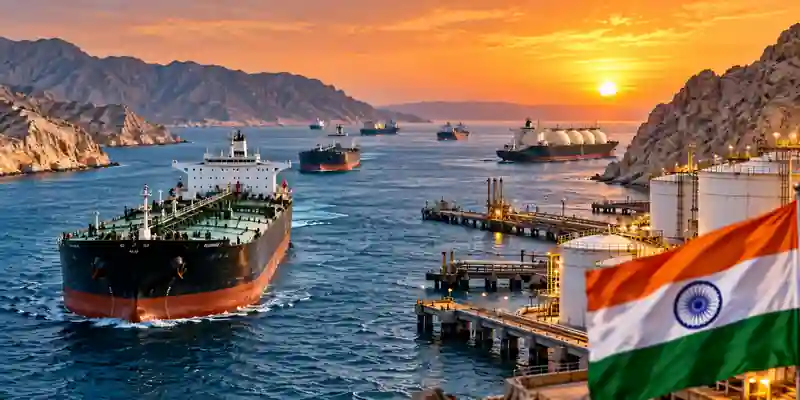
India is among the countries significantly exposed to the Strait of Hormuz disruption because more than half of its crude oil imports transit through the strategic waterway.
The disruption has already affected India’s domestic energy supply basket.
According to S&P Global, crude oil supplies have fallen by around 20%, while LPG supplies have declined by 12%. LNG supplies have also dropped by 16%.
These disruptions could increase pressure on India’s energy security, particularly if the supply constraints continue for an extended period.
India Faces Crude Oil and LNG Supply Shock
The impact of the Strait of Hormuz disruption extends beyond crude oil.
India also relies on the waterway for supplies of LPG, LNG, refined petroleum products and other energy-related commodities.
Dave Ernsberger, President of S&P Global Energy, said the disruption represented a severe test of energy security for high-growth Asian economies.
He highlighted India’s dependence on the Strait of Hormuz for oil, refined products, gas and related supply chains.
According to S&P Global, India has experienced reductions of around 20% in crude supplies, 12% in LPG and 16% in LNG.
Indian Refiners Look for Alternative Energy Sources
To manage the immediate supply disruption, Indian refiners are using greater sourcing flexibility and commercial strategies to keep fuel supplies moving.
This approach could become increasingly important if disruptions around the Strait of Hormuz continue.
Indian refiners have historically maintained flexibility in sourcing crude from different international markets. Therefore, alternative suppliers and changes in crude grades could help reduce the immediate impact of supply interruptions.
However, replacing large volumes of disrupted supplies could also increase transportation costs and put pressure on energy prices.
Strait of Hormuz Crisis Raises Energy Security Concerns
The latest disruption has renewed attention on India’s long-term energy security.
India is one of the world’s major energy-consuming economies, and its dependence on imported crude oil makes international supply disruptions particularly important for the domestic market.
Furthermore, LNG and LPG supply disruptions can affect industries, power generation, transportation and households.
As a result, maintaining diversified import sources and adequate strategic reserves remains an important part of India’s energy security strategy.
Samudra Manthan Program Targets Domestic Energy Security
On the domestic upstream front, the government is rolling out its Samudra Manthan programme, backed by state seed capital, according to S&P Global.
The initiative represents a broader focus on strengthening domestic energy resources and reducing vulnerability to international supply disruptions.
S&P Global described the programme as a structural shift for India’s upstream energy sector, moving beyond conventional balance-sheet financing towards resource development and national energy security.
The programme could therefore become part of India’s longer-term strategy to strengthen domestic oil and gas exploration.
What the Strait of Hormuz Disruption Means for India
The disruption highlights the vulnerability created by India’s dependence on major international energy corridors.
In the short term, refiners are relying on sourcing flexibility and commercial measures to maintain fuel availability.
In the longer term, India may need to continue diversifying crude and gas suppliers while strengthening domestic exploration, strategic reserves and alternative energy sources.
The Strait of Hormuz remains a critical global energy chokepoint. For India, the latest disruption underlines the importance of building a more diversified and resilient energy supply system.