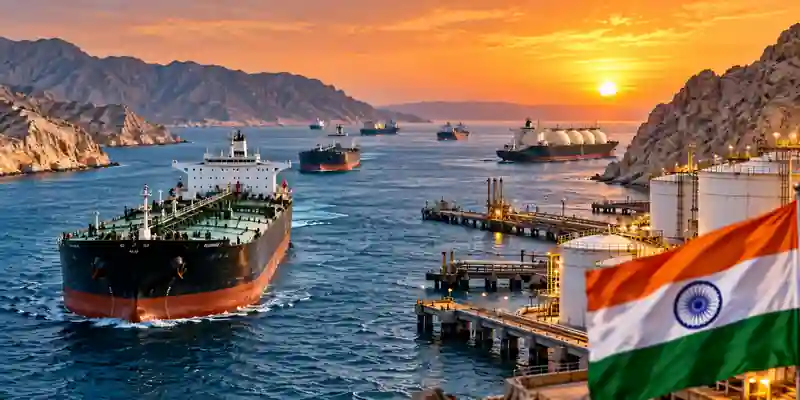
India LNG imports remained largely resilient despite a major disruption to global energy markets caused by the Strait of Hormuz crisis, according to an analysis by S&P Global Energy. While the crisis resulted in a 17% disruption to global liquefied natural gas (LNG) supplies, India’s diversified sourcing strategy helped limit the impact on domestic imports.
The report noted that India LNG imports declined by only 5% year-on-year in April 2026 and 2% in May 2026 despite severe disruptions to global energy flows. The relatively modest decline highlights the effectiveness of India’s strategy of sourcing LNG from multiple countries rather than relying heavily on a single supplier.
India LNG Imports Supported by Diversified Supply Sources
A key factor behind the resilience of India LNG imports was the country’s diversified procurement network. LNG cargoes from Oman, the United States, Nigeria, and Angola helped offset supply disruptions resulting from the temporary closure of the Strait of Hormuz.
According to Johan Utama, Principal Research Analyst at S&P Global Energy, India is expected to maintain a diversified LNG sourcing strategy to reduce exposure to future geopolitical disruptions and strengthen long-term energy security.
The analysis suggests that India’s experience during the Hormuz crisis could influence future procurement decisions as buyers seek greater flexibility and supply security.
Strait of Hormuz Crisis Reshapes Global Energy Markets
Global energy markets are entering a new adjustment phase following the June 17 memorandum of understanding between the United States and Iran. While the reopening of the Strait of Hormuz is expected to support the recovery of energy flows, analysts believe that market normalization and inventory replenishment will take time.
Industry experts emphasized that diversified supply chains, resilient infrastructure, and strategic access to energy resources are becoming increasingly important as geopolitical risks continue to influence global markets.
India LNG Imports Highlight Importance of Energy Security
S&P Global Energy stated that energy security is becoming closely linked to international resource access and portfolio diversification. The report noted that resilience, rather than simply scale or cost optimization, is emerging as the most important factor for long-term energy planning.
Nick Sharma, Executive Director, Upstream Energy at S&P Global Energy, said stable resource access, diversified supply portfolios, and faster project development are becoming critical priorities for both global and Indian energy sectors.
Global Oil and LNG Markets Adapt to Supply Disruptions
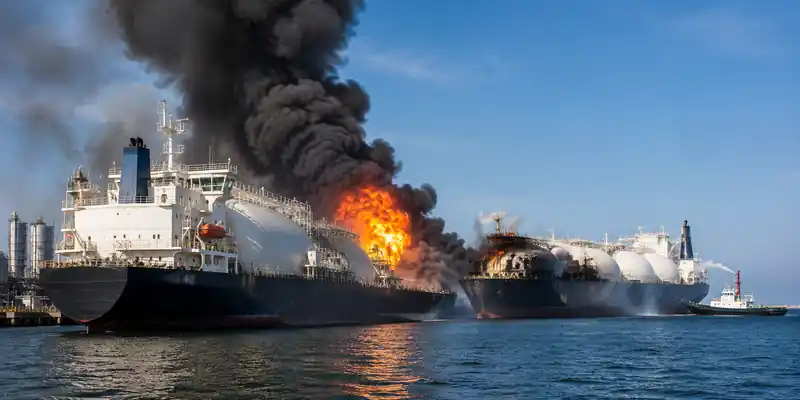
The effective closure of the Strait of Hormuz resulted in a loss of approximately 15 million barrels per day of Gulf liquids production, making it one of the largest oil supply disruptions in history. However, global markets adapted through inventory management, lower imports by major consuming nations, and increased exports from alternative suppliers.
The crisis also led to a sharp decline in vessel movements through the Strait of Hormuz, with traffic falling to nearly 10% of pre-conflict levels. Despite these challenges, alternative shipping routes through the Red Sea and expanded ship-to-ship transfers helped maintain energy supplies and support the recovery of Middle East crude exports.
Outlook for India LNG Imports
The performance of India LNG imports during the Hormuz crisis demonstrates the value of diversified sourcing strategies in an increasingly uncertain geopolitical environment. As global energy markets continue to evolve, India is expected to further strengthen supply diversification, improve infrastructure resilience, and expand access to international energy resources to safeguard future energy security.